Welcome!
Here I introduce the art of Jomon.
First, please just enjoy their wonderful shapes. Then, I bet you would naturally start imagining where are they from? what or who are these for? how are these made?
That’s when you step into the exploration of the archeological art!
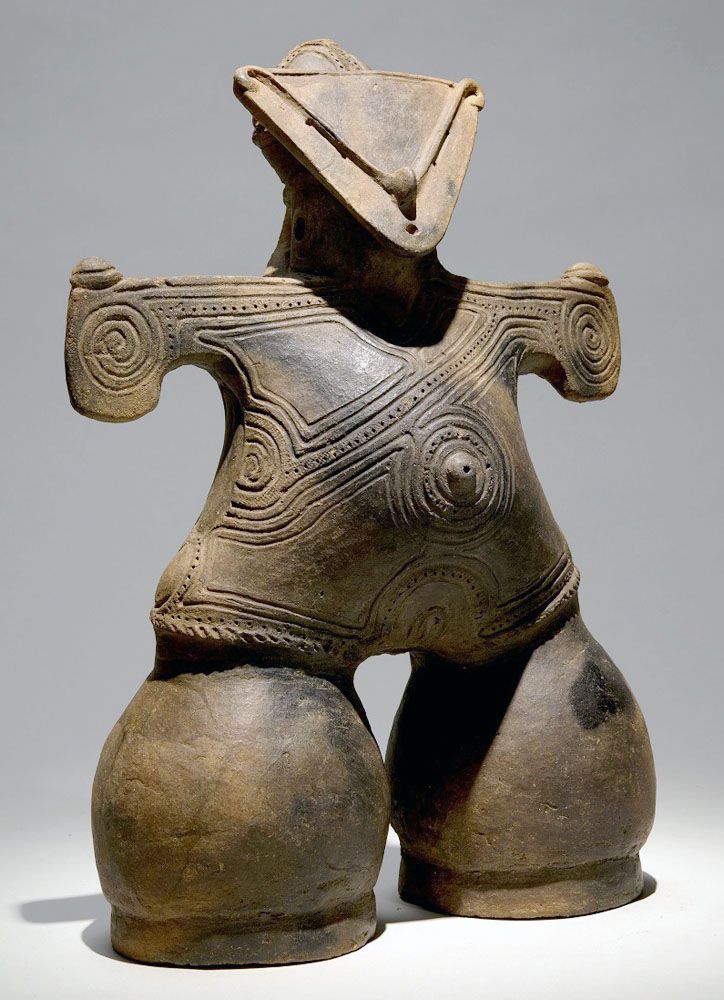
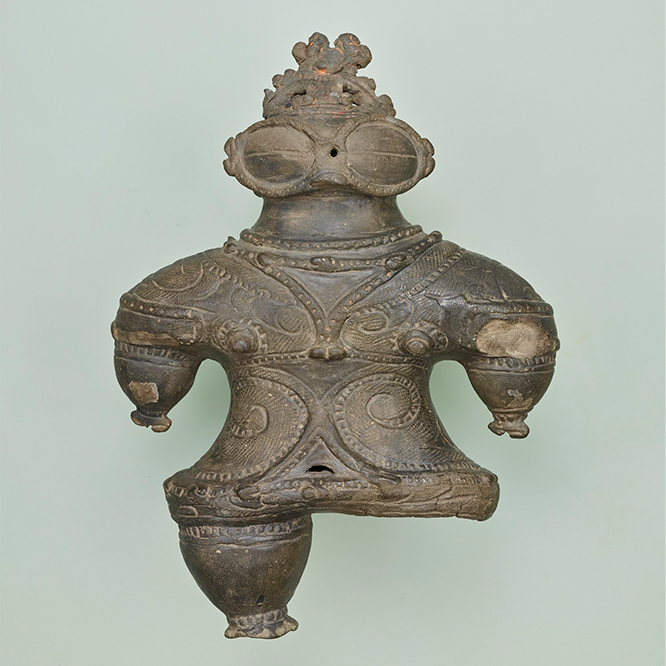
The pottery style characteristic of the first phases of Jomon culture was decorated by impressing cords into the surface of wet clay and is generally accepted to be among the oldest in the world. The jomon period was rich in tools and jewelery made from bone, stone, shell and anter; pottery figurines (dogu) and vessels (doki); and lacquerware.
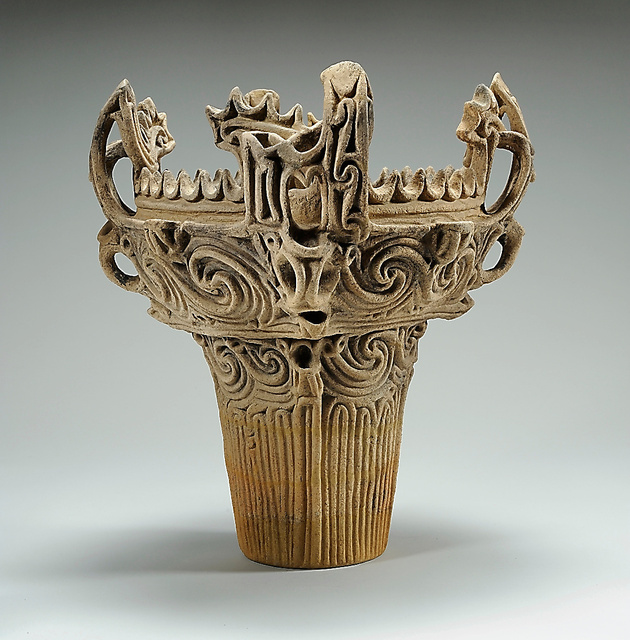
Jomon is the time in Japanese prehistory, dated between 14000-300BCE, during which Japan was inhabited by a hunter-gatherer culture, which reached a considerable degree of sedentism and cultural complexity. Jomon literally means ” cord-marked”, was the name applied by the American zoologist and orientalist Edward S. Morse, who discovered sherds of pottery in 1877 .